
The Met wants no resumed inquest into Chris Kaba, shot in Streatham Hill in 2022; his family want one. What each side argued, and what happens next.
The Metropolitan Police has asked a coroner not to resume the inquest into the death of Chris Kaba, who was shot dead by a police firearms officer in Streatham Hill in September 2022.
His family want the inquest to go ahead. The coroner heard both sides on Thursday 1 October and will decide at a later date.
The Met’s statement says the questions an inquest answers have “been answered completely by a criminal trial and an investigation by the Independent Office for Police Conduct”. INQUEST, the charity supporting the family, said before the hearing that an inquest is needed “to explore the wider circumstances of his death and key issues not determined by the criminal legal process”.
What happened in 2022
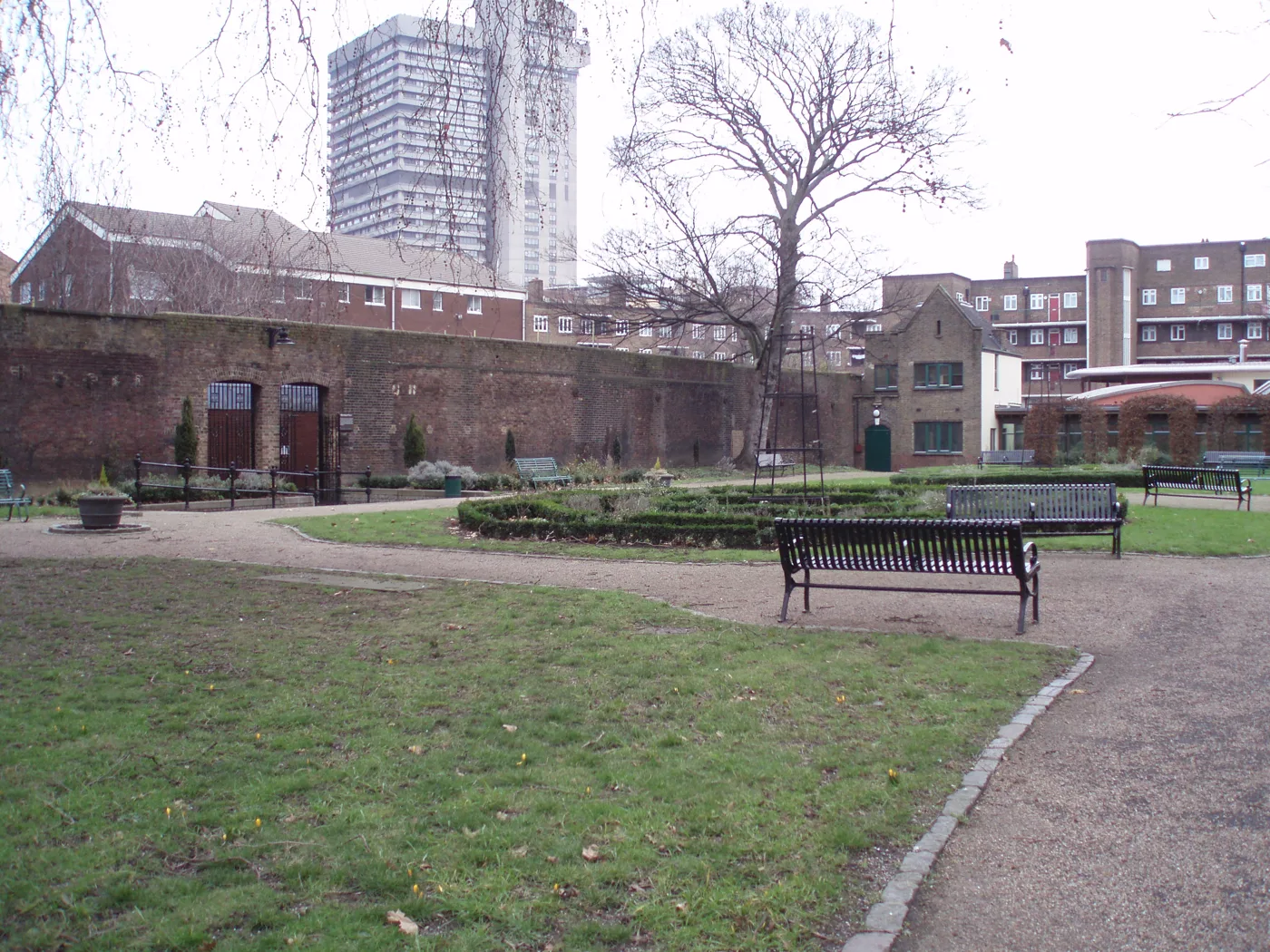
Chris Kaba was 24. He was shot on the evening of 5 September 2022 in Kirkstall Gardens in Streatham Hill, about 1.3 miles south-east of Clapham Common.
The Met’s written submissions to the coroner set out the agreed outline. Officers had followed an Audi they believed was linked to a firearms incident the night before. At about 10.07pm they boxed it in between police cars. A single shot was fired by the officer known in the proceedings as NX121. The pathologist gave the cause of death as a gunshot wound to the head.
Both sides accept that Mr Kaba was unarmed. The Met’s submissions say so in terms, and add that the officer did not know whether he was armed.
Four years of investigations
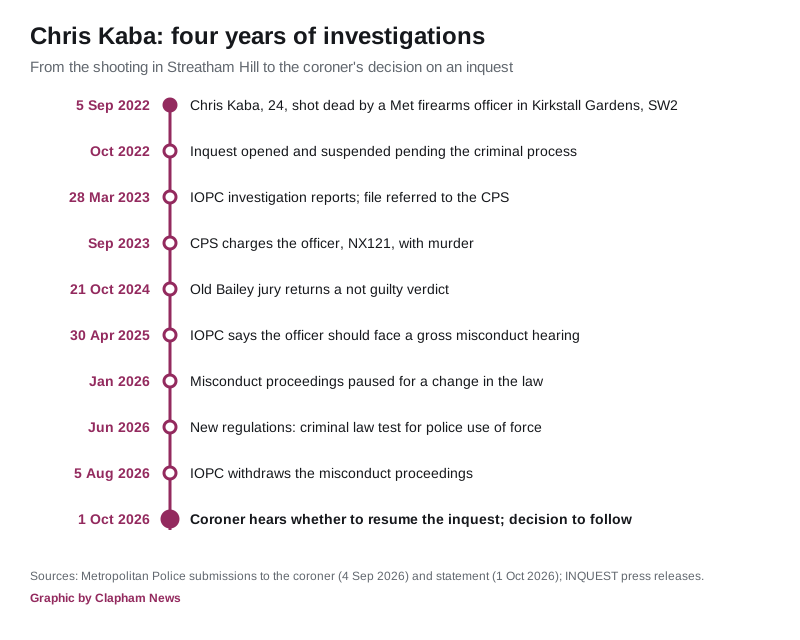
The shooting has already been through an IOPC investigation, a murder trial and a misconduct process that was later dropped. The timeline below comes from the Met’s submissions and INQUEST’s releases.
In brief:
- The IOPC reported on 28 March 2023 and referred a file to the Crown Prosecution Service.
- The CPS charged the officer with murder in September 2023. A jury at the Old Bailey returned a not guilty verdict on 21 October 2024.
- In April 2025 the IOPC said the officer should still face a gross misconduct hearing.
- INQUEST says the family were told in January 2026 that this was paused for a change in the law.
- New regulations in June 2026 made the stricter criminal law test apply to police use of force in misconduct cases.
- On 5 August 2026 the IOPC withdrew the misconduct proceedings.
The inquest was opened in 2022 and then suspended while the criminal case ran. The law says a suspended inquest can only resume if the senior coroner thinks there is “sufficient reason”, and then it must.
What the Met argued
The Met’s case, signed by Jason Beer KC and Georgina Wolfe and dated 4 September, runs to 25 pages. Its main points are:
- the IOPC and the trial between them covered who died, when, where and how
- the IOPC looked at the wider operation, including the stop, the tactics, the command structure and the officer’s training
- the IOPC found no evidence that Mr Kaba’s race was a factor in how police treated him
- the IOPC made two learning recommendations, which the Met accepted
- resuming would put the officer through “further protracted proceedings” and affect the morale of firearms officers
The two recommendations were that the Met debrief the stop with the College of Policing, and that it remind all firearms officers to switch on their body-worn cameras in line with its own guidance.
Deputy Assistant Commissioner James Harman said in the Met’s statement: “While our thoughts remain with Mr Kaba’s family for their loss, resuming the inquest and duplicating the investigations that have already taken place is not in the public interest.”
What the family want
We could not find the family’s own written submissions published. INQUEST’s release says the family are asking for “an inquest and full investigation into his death”, and that the charity backs them.
The Met’s document answers the family’s case point by point, so it shows what they argued. According to it, the family raised three main heads:
- public scrutiny of the reasons given for using lethal force
- prevention and learning, including the officer’s use of his body-worn camera
- race, and whether it was a factor in how Mr Kaba was treated
They also say they could not play an effective part in the criminal trial. The Met’s summary lists their reasons: they did not see all the evidence, only saw the IOPC report after the trial, and could not make submissions or cross-examine.
The family also say no court has decided whether his death followed “a reasonable assessment by the State of the risk he posed”. An inquest applies its own tests, and the two sides disagree about what that would add after the trial.
The family are represented by Matthew Ryder KC and Ifeanyi Odogwu of Matrix Chambers and by Hickman and Rose, according to INQUEST.
What it means for you
Nothing changes yet. The decision belongs to the Senior Coroner for London Inner South, Dr Julian Morris. Neither side has said when he will give it.
If he resumes the inquest, there would be further hearings at the coroner’s court in Tennis Street, Southwark. Inquest hearings are normally open to the public.
The case reaches beyond Streatham Hill. The June 2026 rules that ended the misconduct case apply, in INQUEST’s words, to “all instances involving fatal and non-fatal use of force by police officers”.
We will update this story when the coroner gives his decision.
Have your say